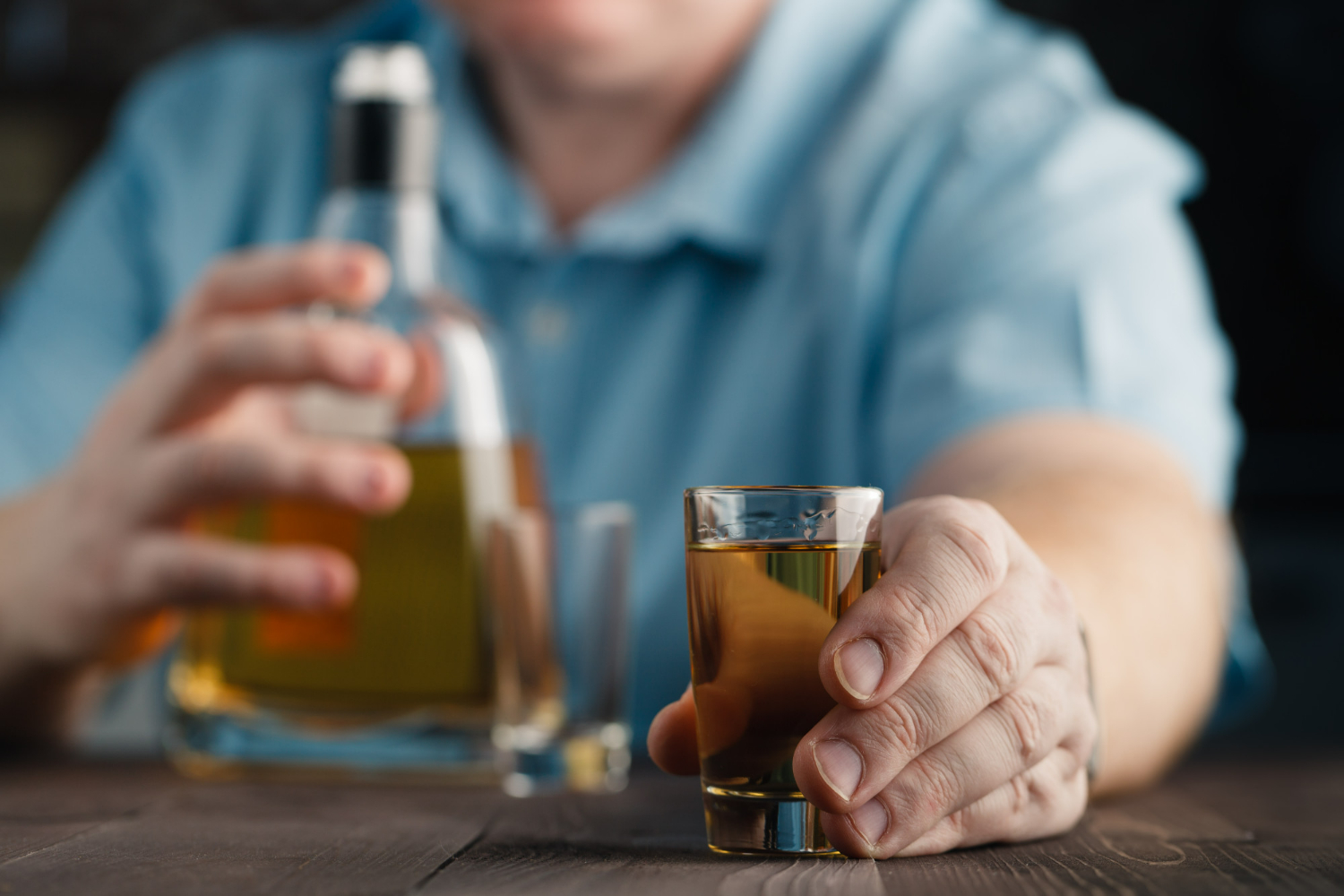
For people living with Post-Traumatic Stress Disorder (PTSD), drinking often becomes a way to cope with emotional distress from past trauma. However, this can create a vicious cycle, where alcohol addiction ends up worsening PTSD symptoms over time. With the right strategies and support, breaking that cycle and achieving lasting recovery is possible.
Understanding PTSD
PTSD is a mental health condition marked by prolonged, elevated psychological distress following a traumatic event. Anyone who has experienced trauma, at any age, can develop PTSD. That said, it’s especially common among adults in high-risk occupations, such as military service members.
The Link Between PTSD and Alcohol Addiction
A desire to avoid or forget traumatic thoughts, memories, or flashbacks may lead individuals with PTSD to turn to alcohol. While alcohol can offer temporary relief, it tends to make PTSD symptoms worse over time. Many people with PTSD also experience compounding conditions like anxiety, depression, and sleep disturbances. As a result, a cycle forms: drinking more to manage these symptoms, which can then lead to dependency and addiction.
Key Strategies for Overcoming PTSD and Alcohol Addiction
Overcoming PTSD and alcohol addiction can feel challenging, but it is possible. Here are some strategies that can help.
Seek professional help.
Professional support is essential for treating PTSD and alcohol addiction together. Therapists and counselors can build personalized plans using approaches like behavioral therapy and trauma-focused therapy. Counseling and support groups can further support ongoing recovery.
Build a support network.
Recovery shouldn’t be a solo journey. It takes support from family, friends, and peers who understand your struggles and can offer real emotional support. Engaging with support groups, including PTSD-specific groups, can also build a sense of community grounded in shared experience.
Develop healthy coping mechanisms.
Long-term recovery relies on healthy ways to cope — mindfulness, meditation, yoga, and deep-breathing exercises among them. Physical activities like running, swimming, or hiking help too, since they release endorphins and improve mood. Together, these techniques help manage the stress and anxiety that are so central to recovery.
Establish a routine.
For people managing both PTSD and alcohol addiction, a daily routine matters. Healthy eating, exercise, consistent sleep, and regular therapy sessions all provide structure. That structure, in turn, helps lower the risk of relapse.
Focus on nutrition and self-care.
Proper nutrition and self-care play a real role in recovery. Since alcohol depletes essential nutrients, a balanced diet rich in vitamins and minerals can support both physical and mental healing. Self-care practices like hobbies and relaxation can also strengthen emotional well-being.
Dual Diagnosis: Overcoming PTSD and Alcohol Abuse
The overlap between PTSD and alcohol addiction underscores the importance of integrated treatment. Treating one condition without the other often leads to relapse and continued suffering. Dual-diagnosis treatment addresses both the root causes of trauma and the addiction itself, treating them together rather than separately.