Kava has traveled a long way from its roots. For centuries, Pacific Island communities used this ceremonial root drink to mark social and cultural gatherings, passing bowls of the earthy beverage during rituals meant to build community and mark important occasions. Today, kava shows up everywhere in U.S. wellness culture, served in kava bars, bottled as ready-to-drink beverages, and sold as concentrated extracts and capsules marketed as a “healthier” way to unwind than alcohol.
As kava’s popularity grows, so does an important question: is kava addictive, or does it carry other risks people overlook because of its “natural” and ceremonial reputation? The answer, as it turns out, is more nuanced than either kava’s biggest fans or its harshest critics tend to admit.
Understanding Kava
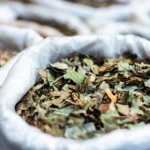
Kava comes from the root of Piper methysticum, a plant native to the South Pacific islands, including Fiji, Vanuatu, and Tonga. Traditional preparation involves grinding or pounding the root and mixing it with water to create a mildly sedating, earthy-tasting beverage. This method has been used for generations and remains central to social and ceremonial life across the Pacific Islands.
Kavalactones and How Kava Affects the Brain
The plant’s active compounds, called kavalactones, drive kava’s effects. These compounds interact with GABA receptors in the brain — the same receptor system targeted by anti-anxiety medications like Valium and other benzodiazepines. This shared mechanism explains why kava produces calming, sedative effects like what these prescription medications provide, though generally at a much lower intensity.
Kava Bars, RTDs, and Extracts: Why Product Type Matters
Modern kava products look very different from traditional ceremonial drinks. Kava bars have popped up across major U.S. cities, serving the beverage alongside mocktails and other alcohol alternatives. Ready-to-drink (RTD) kava can now sit on grocery store shelves next to sodas and seltzers, marketed with the same branding language as trendy wellness beverages. Concentrated extracts and capsules pack significantly more kavalactones into a smaller, more convenient dose than a traditional prepared drink ever would.
This distinction matters more than most consumers realize. Concentrated extracts carry a meaningfully higher risk profile than traditionally prepared kava. Concentrated forms make it easier to consume large amounts of kavalactones quickly, and they make dosing far less consistent than two factors that repeatedly show up in cases of kava-related liver injury.
Uses of Kava, Effects, and Abuse
People generally turn to kava for a specific set of effects: relaxation, mild euphoria, sedation, and help falling asleep. In moderate amounts, these effects mirror what many people seek from a glass of wine, minus the calories, the hangover, and (proponents argue) the addiction risk.
Where Use Tips into Misuse
Using tips can turn into misuse in a few recognizable ways. Escalating doses over time is one of the clearest warning signs, as the body builds tolerance, and the original amount stops producing the desired effect. Switching from traditional kava to concentrated extracts to chase a stronger effect is another red flag, since it dramatically increases kavalactone intake per serving. Mixing kava with alcohol, benzodiazepines, or kratom rounds out the most common misuse patterns.
Combining kava with these substances significantly increases the risk of dangerous interactions. All these substances affect the central nervous system in overlapping ways, and stacking them can amplify sedation, impair coordination and judgment, and in some cases, contribute to seizures or tremors effects researchers have specifically noted in cases involving combined kava and kratom use.
Kava Dangers and Addiction Potential
The evidence on kava addiction is genuinely mixed, and it doesn’t support the more alarmist claims sometimes made about the substance. One controlled trial studying kava’s addictive potential found no meaningful difference in withdrawal symptoms between people taking kava and those taking a placebo. During the trial withdrawal observation period, when all participants received a placebo, researchers observed no significant increase in symptoms in either the kava group or the placebo group.
Interestingly, the same study found that equal numbers of people in both groups reported wanting to increase their dose afterward, suggesting some of what looks like “craving” for kava may reflect expectation and habit rather than genuine pharmacological addiction. This doesn’t mean kava carries zero dependency risk for any individual, but it does mean the science doesn’t currently support labeling kava as highly addictive in the way substances like opioids or alcohol clearly are.
The Bigger Danger: Liver Toxicity
Liver toxicity, not addiction, has the strongest research backing as kava’s real and documented danger. The FDA issued a public health advisory in 2002 linking kava supplements to severe liver injury, following a cluster of reports involving hepatitis, cirrhosis, and even liver failure in people using kava products.
That warning worked for nearly a decade. Kava-related exposure reports declined sharply after the 2002 FDA advisory, falling by 87% between 2001 and 2010. But the trend reversed starting in 2011, and it has climbed steadily since. According to a 2026 study from UVA Health’s Blue Ridge Poison Center, poison center calls related to kava rose 383% between 2011 and 2025, jumping from 57 calls to 203 calls per year.
What the Latest Data Shows (2011–2025)
The severity of these cases has climbed too. Roughly one-third (32%) of kava-related poison center calls in 2025 involved severe health outcomes, including Adverse Neurological and cardiovascular effects, and that figure reached 39% in 2024. Researchers have linked eight deaths to kava exposure over the full study period. Much of this resurgence appears tied to new, more potent products entering the market, particularly kava combined with kratom, which accounted for roughly 30% of all kava-related poison center calls in 2025 and has been associated with more serious effects, including seizures and tremors.
No Dosing Standards and Who Should Avoid Kava Entirely
Adding to the concern: unlike some countries that cap kavalactone content in commercial kava products, the United States currently has no standardized dosing limits for kava supplements. This regulatory gap means potency can vary dramatically between brands and product types, making it much harder for everyday consumers to judge what counts as a safe amount.
Certain people should avoid kava altogether. This includes anyone with existing liver disease, anyone taking medications metabolized by the liver, pregnant or breastfeeding individuals, and anyone already using alcohol, benzodiazepines, or kratom regularly.
Are You Addicted? Signs to Watch For
If you’re wondering whether your kava use has crossed a line, consider these questions as a starting point for honest reflection rather than a tool for self-diagnosis:
- Have you needed larger amounts of kava over time to achieve the same relaxing effect?
- Have you noticed yellow skin or eyes, dark urine, or unusual fatigue, possible warning signs of liver stress?
- Has kava’s use started interfering with work, relationships, or day-to-day responsibilities?
- Are you combining kava with alcohol, kratom, or other substances?
- Do you feel unable to relax, unwind, or sleep without it?
If you find yourself answering “yes” to several of these questions, that’s a signal worth taking seriously and a good reason to talk with a healthcare professional rather than trying to sort it out alone.
Effective Treatment Programs for Kava Addiction
No treatment center runs a formal “kava-specific” rehab program, since kava doesn’t fit neatly into existing addiction treatment categories the way alcohol or opioid use disorder does. Instead, effective care for kava-related concerns typically follows a three-step approach.
Step 1: Medical Evaluation
Given kava’s well-documented liver risks, treatment should always start with liver function testing and a comprehensive medical workup to rule out or address existing damage.
Step 2: Behavioral Therapy
Cognitive behavioral therapy (CBT) and peer support groups help patients identify and change the habits and thought patterns driving regular use, especially when kava has become a default coping mechanism.
Step 3: Addressing Underlying Anxiety or Sleep Issues
Many people turn to kava specifically to manage anxiety or sleep problems. Treating these root causes directly, rather than just addressing the kava itself, reduces the likelihood of relapse or of substituting one coping substance for another.
California Recovery Center, located in Roseville, CA, offers individualized treatment that can incorporate this kind of layered care. While the center doesn’t specialize specifically in kava, its team brings experience treating substance use patterns alongside the underlying mental health conditions, like anxiety and insomnia, that often drive them.