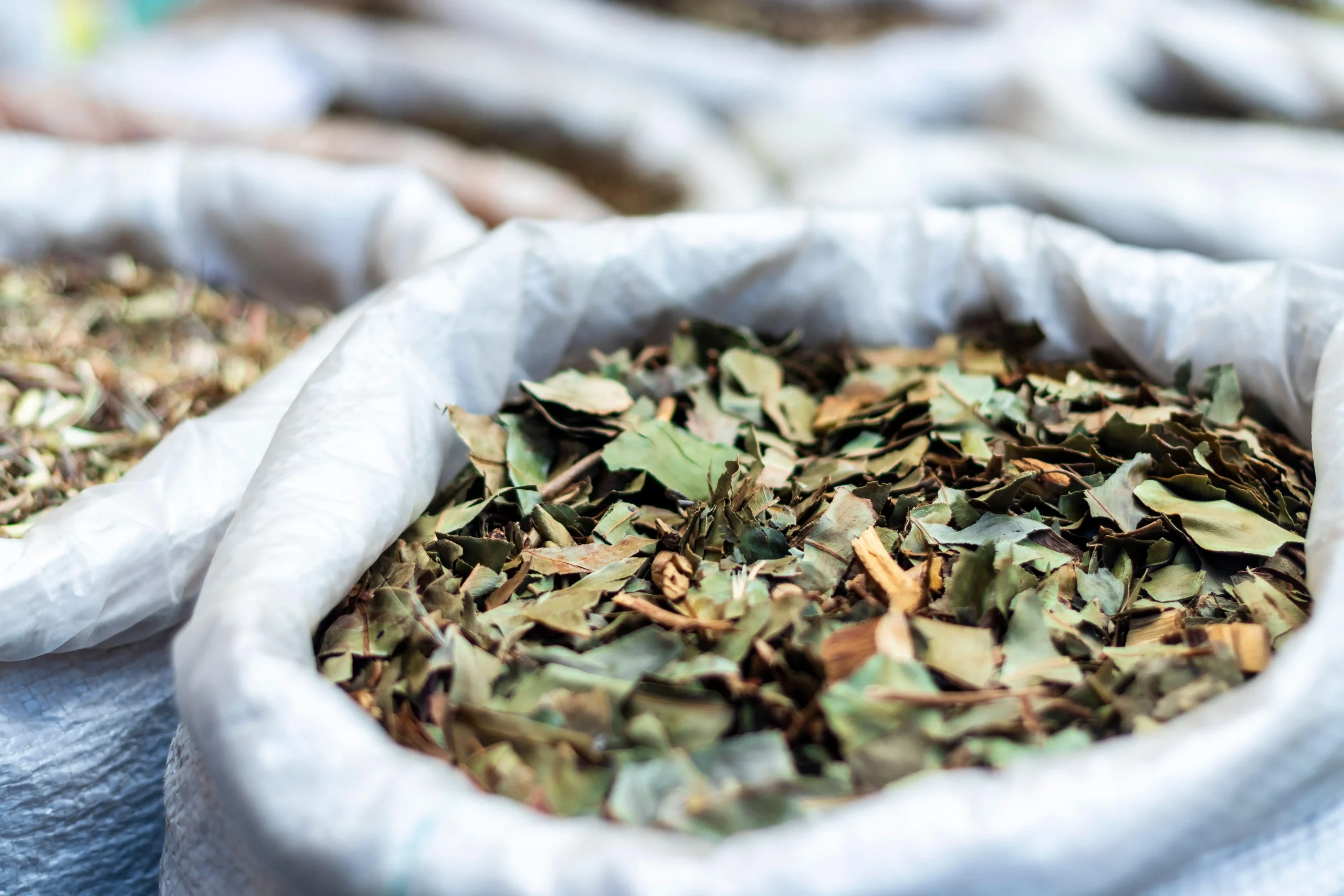
Kratom comes from the leaves of Mitragyna speciosa, a tropical evergreen tree native to Southeast Asia and part of the same botanical family as coffee. For generations, laborers in Thailand, Malaysia, and Indonesia chewed kratom leaves to push through long, physically demanding workdays.
In the United States, kratom has taken on a very different life — sold in gas stations, smoke shops, and online as tablets, powders, gummies, and drink shots marketed as natural energy boosters or pain relievers. But kratom’s relationship to opioids, its potential for dependence, and a fast-moving 2026 regulatory shakeup have turned it into one of the more confusing substances on the market today. Here’s what the research actually shows.
Is Kratom an Opioid?
Botanically, kratom isn’t an opioid; it’s not related to the poppy plant that produces morphine, heroin, or prescription painkillers. But that botanical distinction matters less than it sounds, because kratom’s two primary alkaloids, mitragynine and 7-hydroxymitragynine (7-OH), act directly on the same mu-opioid receptors in the brain that morphine and heroin activate.
7-OH: The Compound Behind Kratom’s Opioid-Like Risk
This is where things get concerning. 7-OH acts on the same opioid receptor as morphine and heroin, yet for years it has been sold openly as tablets, gummies, and liquid shots marketed as plant-based dietary supplements. Many people who used these products developed a genuine physical dependence without ever realizing they were consuming something pharmacologically similar to an opioid. Naturally occurring kratom leaf contains only trace amounts of 7-OH; the real danger has come from concentrated and synthetic 7-OH products, which deliver far higher doses than anything found in the plant itself.
A Dose-Dependent Duality
Kratom behaves differently depending on how much someone takes. At low doses, it tends to act more like a stimulant, producing increased energy, alertness, and sociability. At higher doses, its effects shift toward the sedative, opioid-like end of the spectrum, producing pain relief, relaxation, and euphoria. This dose-dependent duality is part of what makes kratom so hard to categorize and part of what makes it easy for regular users to drift from occasional stimulant-like use into higher, more sedating doses over time.
What Is Kratom Used For?
In Southeast Asia, kratom has a long history as a folk remedy and labor aid. Workers traditionally chewed the leaves to combat fatigue and sustain energy through physically taxing days, and communities used it informally for a range of common ailments.
In the U.S., people report using kratom for a much broader and less traditional set of reasons:
- Managing chronic or acute pain
- Self-treating opioid withdrawal symptoms
- Easing anxiety
- Boosting energy and focus
- Improving mood
It’s worth being direct here: none of these uses are FDA-approved, and none are backed by the kind of rigorous, large-scale clinical trials that would confirm kratom is both safe and effective for these purposes. Much of what’s known comes from user reports, small studies, and case observations rather than the gold-standard research used to evaluate prescription medications.
Kratom Withdrawal Symptoms
Regular kratom use, particularly at higher doses, can lead to physical dependence. When someone stops or cuts back, withdrawal symptoms can set in.
Physical Symptoms
- Muscle aches
- Sweating
- Insomnia
- Gastrointestinal distress (nausea, diarrhea, cramping)
- Tremors
Psychological Symptoms
- Anxiety
- Irritability
- Depressed mood
- Cravings
How Kratom Withdrawal Compares to Opioid Withdrawal
Kratom’s withdrawal generally runs milder than withdrawal from prescription opioids or heroin, but “milder” doesn’t mean easy. Symptoms can still significantly disrupt daily life, work, and relationships, and the psychological pull of cravings can make quitting difficult even when physical symptoms are manageable. The timeline also tends to be shorter than classic opioid withdrawal, though this varies based on how long someone used kratom, at what doses, and whether they used concentrated 7-OH products.
How to Treat Kratom Addiction
Medical Detox vs. Cold Turkey
Stopping kratom suddenly, cold turkey, is possible for some people, but a supervised medical detox or gradual taper is generally safer and more comfortable, especially for anyone using higher doses or concentrated 7-OH products. Medical supervision allows providers to monitor symptoms and adjust the process as needed.
Behavioral Therapies
Cognitive behavioral therapy (CBT) and motivational interviewing are commonly used to treat kratom addiction. These approaches help identify the triggers and thought patterns driving use and build practical strategies for managing cravings and preventing relapse.
The Possible Role of Medication-Assisted Treatment
In more severe cases, particularly where someone has developed a significant physical dependence involving opioid receptors, buprenorphine, a medication commonly used in opioid use disorder treatment, may play a role in supporting recovery. A qualified medical provider should always make this decision based on individual circumstances.
How Can I Find Professional Treatment Centers Specializing in Kratom Addiction Recovery?
What to Look For
Because kratom interacts with opioid receptors, look for treatment providers with genuine experience in opioid substance use, not just general addiction treatment. Key qualities to prioritize:
- Licensed addiction medicine providers on staff
- Dual-diagnosis capability, since anxiety, depression, and chronic pain often accompany kratom use
- Direct experience treating substances that act on opioid receptors
A Vetting Checklist
Before choosing a treatment center, verify:
- Accreditation — Look for Joint Commission or CARF accreditation, which signals that the facility meets recognized quality and safety standards.
- Insurance verification — Confirm what your plan covers before starting treatment.
- Aftercare planning — Ask how the center supports long-term recovery after the initial treatment period ends.
California Recovery Center
California Recovery Center, located in Roseville, CA, is Joint Commission–accredited and DHCS- licensed to provide detox and residential care for polysubstance and opioid-adjacent addictions. The center is not kratom-specific, but its licensing and clinical experience cover the kind of opioid-receptor-involved substance use that kratom dependence falls under. You can reach them at (866) 864-1986 or info@calrecoverycenter.com.
A Free Starting Point
If you’re not sure where to begin, the SAMHSA National Helpline (1-800-662-4357) offers free, confidential support around the clock, with no commitment required.
The 2026 Regulatory Landscape
Kratom’s legal status has shifted rapidly in 2026, and the details matter — especially the difference between natural leaf kratom and concentrated or synthetic 7-OH products.
In July 2025, the FDA recommended that the DEA schedule concentrated 7-OH as a Schedule I controlled substance, following warning letters and product seizures targeting companies selling high-concentration 7-OH tablets, gummies, and shots. In July 2026, the DEA formally filed notices of intent to temporarily place two categories of substances into Schedule I: 7-OH above a specific concentration threshold, and three synthetic 7-OH-related compounds (mitragynine pseudoindoxyl, MGM-15, and MGM-16) that don’t occur naturally in the kratom plant at all.
As of this writing, the synthetic compounds have already been placed into Schedule I under a temporary order. The separate action targeting concentrated 7-OH above the specified threshold remains pending; the DEA has not yet published a final order, though it has stated its intent to act. Natural kratom leaf containing only trace, naturally occurring levels of 7-OH is explicitly excluded from this action and remains outside federal scheduling, though several states have passed their own, sometimes stricter, kratom and 7-OH bans that don’t follow the same leaf-versus-concentrate distinction.
What this means for current users
If you use concentrated 7-OH products, expect continued disruption to product availability as this plays out, and check your specific state laws, since state and federal rules don’t always match. This is a genuinely fast-moving situation. For the most up-to-date status, check the DEA’s official announcements and FDA’s kratom page directly rather than relying on any single article, including this one, to stay current.
Kratom occupies an unusual middle ground: not a classic opioid of origin, but pharmacologically close enough to one that dependence, withdrawal, and misuse are all real possibilities, particularly with concentrated 7-OH products. If you’re using high-concentration 7-OH products regularly, or you’ve noticed withdrawal symptoms when you try to stop, talk to a healthcare provider. This article is not medical advice, and the regulatory landscape around Kratom continues to change.