

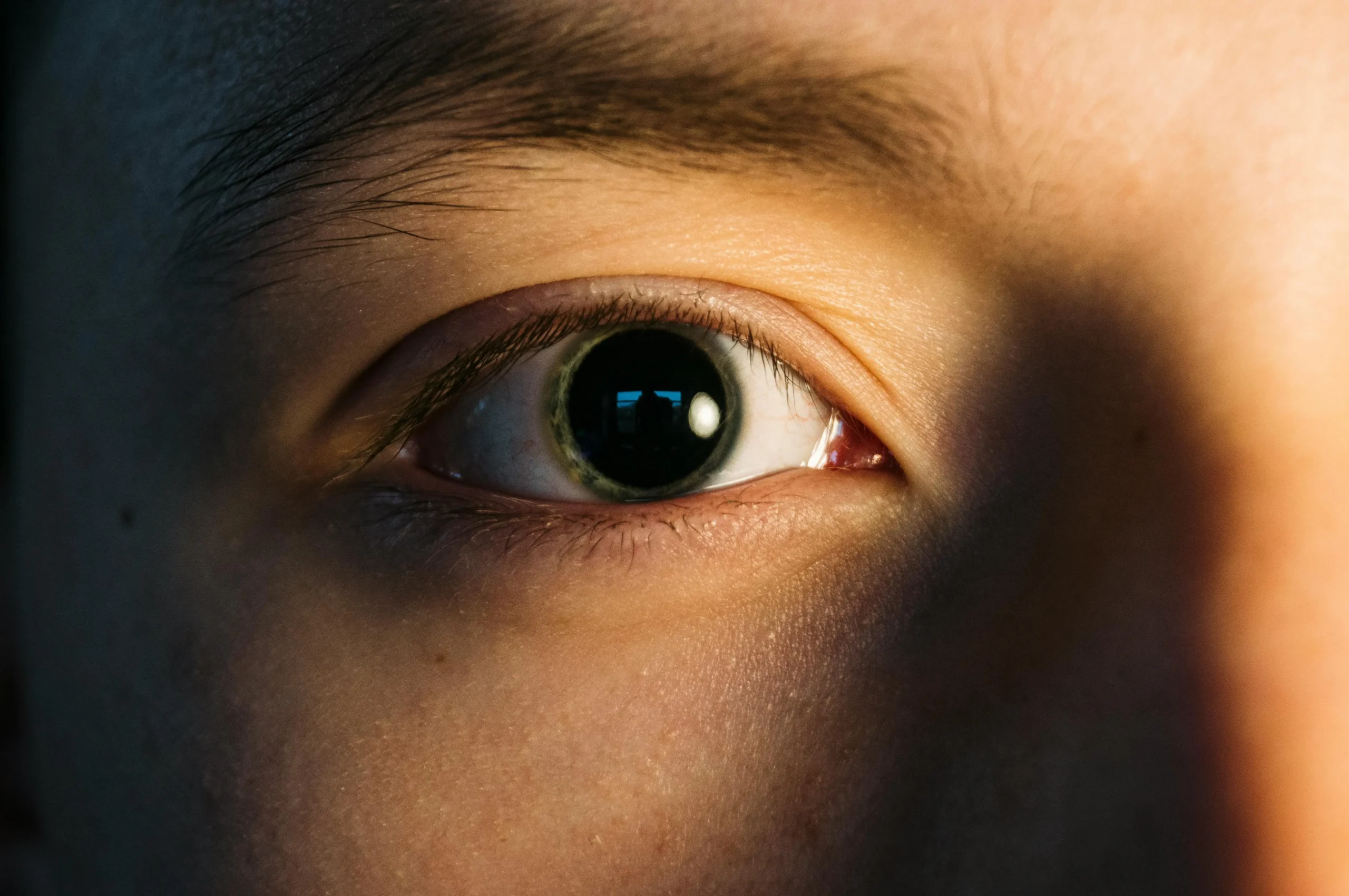
Dilated pupils, often called “big pupils,” are one of the most common physical signs linked to drug use. Normally, your pupils change size based on the amount of light around you. They get bigger in darker spaces and shrink when the light is bright. But with certain substances, the pupils may stay unusually large even in bright lighting.
This guide explains why it happens, which drugs cause dilated pupils, and when it may signal substance misuse or addiction.
Why Drugs Cause Pupil Dilation
The nervous system controls your pupils. One part shrinks the pupils while the other part enlarges them. When a drug activates the body’s “fight or flight” system, the pupils often widen.
This is common with substances that:
- Speed up the heart
- Increase alertness or energy
- Heighten perception
- Change brain chemicals like dopamine or serotonin
Because the body treats certain drugs the same way it treats danger or excitement, the pupils can expand dramatically and stay that way.
Common Drugs That Dilate Pupils
Below are the substances most often linked to noticeable pupil dilation.
Cocaine
Cocaine is a strong stimulant that sharply increases energy, focus, and alertness. Because it reacts so quickly in the brain, dilated pupils appear almost immediately after use.
People under the influence may appear:
- Restless
- Overly alert
- Hyper-focused
The combination of these changes, along with enlarged pupils, is often one of the first signs families notice.
Methamphetamine (Meth)
Meth also causes extreme stimulation of the nervous system. Pupil dilation can be very pronounced and may last much longer than with cocaine.
Other noticeable signs often include:
- Intense focus or agitation
- Inability to sit still
- Quick, pressured speech
Because meth stays in the body longer, people can have wide pupils for hours or even most of the day.
MDMA (Ecstasy or Molly)
MDMA strongly affects serotonin levels. This increases mood, energy, and sensory awareness. Pupil dilation is one of the most common physical responses.
Someone using MDMA may show:
- Large, wide pupils
- Muscle tension or jaw clenching
- Heightened emotional reactions
Even after the emotional effects fade, the pupils can stay large for several hours.
Hallucinogens
Psychedelic substances like LSD, mushrooms, mescaline, and DMT often cause very noticeable dilation. These drugs change the way the brain processes sights, sounds, and emotions.
Hallucinogens create:
- Sharper visual awareness
- Altered perception
- Intense sensory experiences
Because the brain becomes overstimulated, the pupils expand significantly.
Prescription Stimulants
Medications used for ADHD—such as Adderall, Ritalin, and Vyvanse—can also cause dilated pupils when taken in high doses or misused.
Common reasons the pupils get larger include:
- A spike in norepinephrine
- Improved focus that becomes overstimulation
- Elevated dopamine levels
Although the dilation may be milder than with street stimulants, it can still be a sign of misuse.
Antidepressants and Other Medications
Some antidepressants, including SSRIs and SNRIs, can cause mild pupil dilation. This is usually a normal side effect rather than a sign of misuse. The change may be more noticeable when:
- Someone starts a new medication
- The dosage is increased
- The body is adjusting to the medication
Tricyclic antidepressants and certain anxiety medications can have a similar effect.
Does Alcohol Cause Dilated Pupils?
Alcohol alone does not usually cause large pupils. It tends to slow reflexes rather than enlarge the eyes. But alcohol combined with stimulant drugs such as cocaine can make the pupils even bigger and significantly increase the risk of overdose.
How Long Do Drug-Dilated Pupils Last?
The duration depends on the drug, dose, and the individual’s body chemistry.
Typical timelines include:
- Cocaine: 30 minutes to several hours
- Meth: several hours to a full day
- MDMA: 6 to 12 hours
- Hallucinogens: 6 to 15 hours
- Prescription stimulants: vary by dosage
Long-lasting dilation, especially over several days, may indicate a medical issue or heavy drug use.
When Dilated Pupils May Signal Substance Misuse
Pupil dilation alone does not confirm drug use. Anxiety, excitement, and changes in lighting can cause the same effect. But when dilation appears with behavioral shifts, it becomes an important warning sign.
Look for patterns like:
- Unusual bursts of energy
- Rapid talking or restlessness
- Difficulty sleeping
- Sweating or shaking
- Extreme mood changes
- Confusion or paranoia
When these behaviors show up alongside large pupils in normal lighting, it’s reasonable to ask whether drug use may be involved.
For many families, “the eyes” are the first clue that something is wrong.
When to Seek Help
If a person exhibits persistently dilated pupils and changes in behavior, it may be time to reach out for support. Treatment centers can assist with detoxification, counseling, and ongoing recovery.
Seek emergency help immediately if someone has:
- Very large pupils
- Chest pain or fast heartbeat
- Severe anxiety or panic
- Hallucinations
- Loss of consciousness
These symptoms can signal an overdose and need immediate care.
Understanding which drugs dilate pupils can help you notice early signs of drug use. While dilated pupils alone don’t prove substance misuse, they are a meaningful indicator when combined with sudden changes in mood, energy, or behavior. Learning what to look for can help you take action sooner and support a loved one before the situation becomes more serious.