
Getting ready for rehab can feel overwhelming, especially when you’re unsure what to pack. Bringing the right items helps you feel more comfortable, organized, and prepared for your stay. Rehab centers aim to provide you with what you need while maintaining a safe and focused environment. This guide explains what to bring, what to avoid, and how to prepare for treatment in a clear and easy-to-understand manner.
Why Packing Matters Before Rehab
Rehabilitation is a structured environment where you will work on your health, attend therapy, develop new habits, and focus on recovery. Since most stays last several weeks, having the right items with you can make daily life easier. When you bring essential items like clothing, hygiene products, and important documents, you can settle in quickly and begin treatment without added stress.
Clothing to Pack
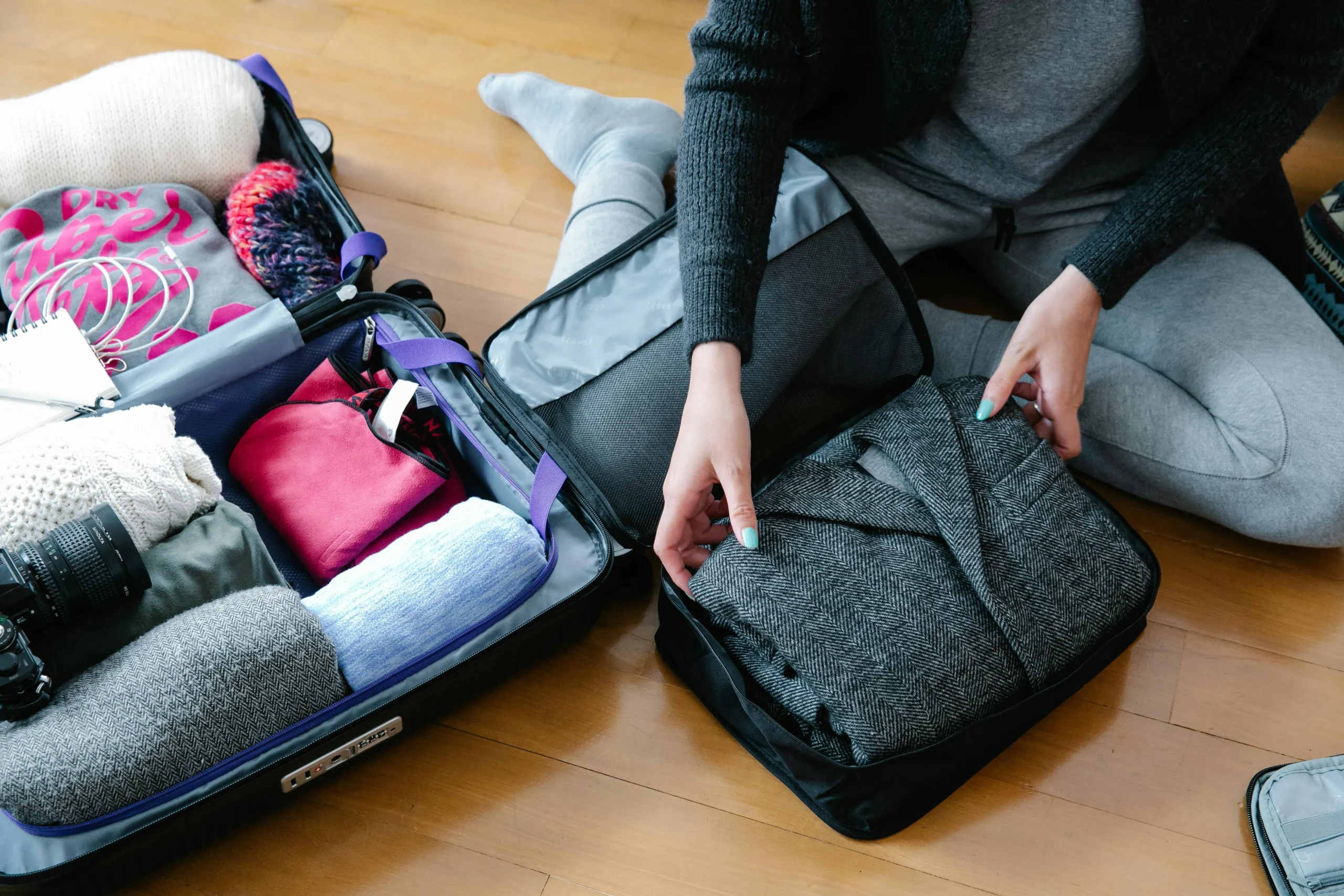
Rehab centers encourage simple, comfortable clothing. You don’t need a large wardrobe since packing for about a week is usually enough, because laundry is often available. Choose clothes that you would wear on a relaxed day at home. They should be comfortable for group sessions, walks, and other daily activities.
You may want to include:
- Comfortable shirts
- Sweatpants or simple pants
- Pajamas
- Underwear and socks
- A sweater or jacket
Shoes should be comfortable and easy to walk in. Avoid clothing with drug-related or offensive images.
Basic Hygiene Items
Bring your own hygiene products, but they must be alcohol-free. Many everyday items contain alcohol, so check labels before packing.
Common examples:
- Toothbrush and toothpaste
- Shampoo and conditioner
- Soap or body wash
- Deodorant
Keep your routine simple and bring only what you need.
Important Documents
To help staff check you in smoothly, bring:
- A government-issued ID
- Insurance card
- A list of current medications
It can also help to bring contact information for family or close friends.
Prescription Medications
If you take prescription medications, bring them in their original labeled bottles. Staff must review all medications for safety. Loose pills or unmarked containers cannot be accepted.
A Journal or Notebook
A journal can help you reflect, track progress, and take notes during therapy. Writing down your thoughts often becomes a valuable part of the recovery process.
Small Personal Comfort Items
You can bring one or two small items that make your space feel more personal, such as a family photo or a favorite book. These items should bring comfort without causing distraction.
Items You Should Not Bring
Rehab centers set clear rules for everyone’s safety. Items that are generally not allowed include:
- Drugs, alcohol, or alcohol-based products
- Weapons
- Unapproved or unmarked medications
- Large amounts of cash or expensive jewelry
- Electronics like laptops or gaming devices
Rules may vary slightly by facility, so it’s always best to confirm ahead of time.
Optional Items
If approved by the program, you may also bring simple extras such as a reusable water bottle or a book you enjoy. These items are optional but can make your stay more comfortable.
Preparing Emotionally Before You Go
Feeling nervous before entering rehab is completely normal. Taking a moment to think about your goals and talking with supportive people before you leave can help you feel more grounded. Rehab staff understand the emotions you may be experiencing and will guide you through your first days.
Get help now
Packing the right items for rehab helps you start treatment with confidence and clarity. Focus on bringing comfortable clothing, basic hygiene items, important documents, and approved medications. A few small personal items can bring comfort to avoid anything that may distract you from your recovery or go against program rules.
If you have questions about what to bring or need help preparing for your stay, contact us for further information and support.