
Opioid addiction can feel overwhelming, but recovery is possible. Many people struggle with opioids and believe they are stuck forever. That is not true. With the right treatment and support, people can recover and rebuild their lives.
Opioid addiction is a medical condition, not a personal failure. It affects the brain and changes how a person thinks, feels, and behaves. Treatment helps restore balance and gives people the tools they need to heal.
Understanding Opioid Addiction
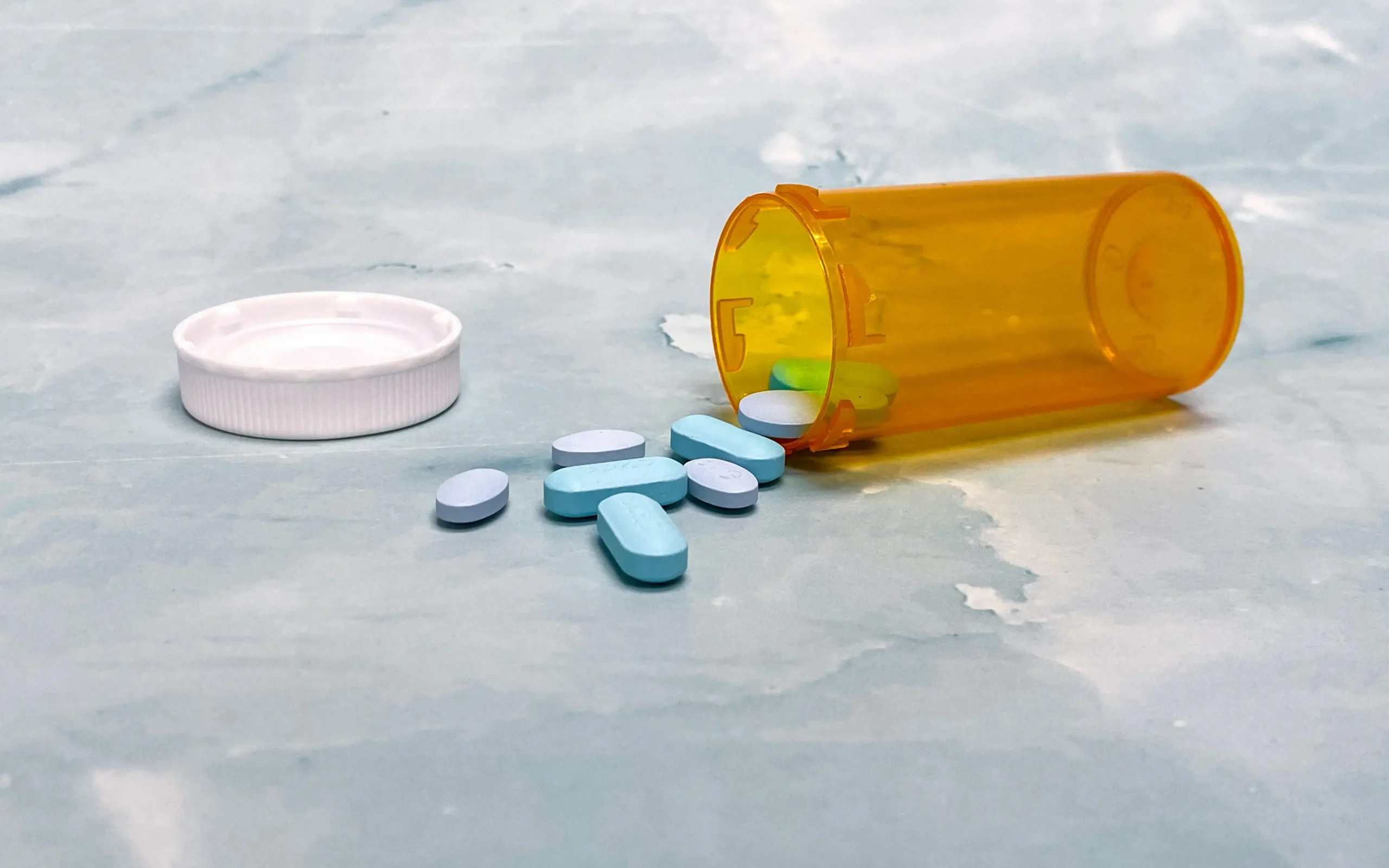
Opioids include drugs like heroin, fentanyl, morphine, and prescription painkillers such as oxycodone and hydrocodone. These drugs reduce pain, but they also affect the brain’s reward system. Over time, the brain begins to depend on opioids to feel normal.
As addiction develops, stopping opioids suddenly can cause intense withdrawal symptoms. These symptoms often keep people trapped in the cycle of use. This is why professional treatment is so important.
Why Treatment Matters
Opioid addiction rarely improves on its own. Without treatment, the risk of overdose, health problems, and relapse is high. Treatment provides medical care, emotional support, and structure during recovery.
Treatment also helps people understand the root causes of addiction. Many individuals struggle with pain, trauma, mental health conditions, or stress. Addressing these issues is an important part of long-term recovery.
The First Step: Detox
For many people, treatment begins with detox. Detox helps the body safely clear opioids while managing withdrawal symptoms. Withdrawal can include nausea, muscle pain, anxiety, sweating, and strong cravings.
Medical detox provides supervision and comfort medications when needed. This helps reduce discomfort and lowers the risk of complications. Detox alone is not treatment, but it prepares the body and mind for the next steps.
Medication-Assisted Treatment
Medication-assisted treatment, often called MAT, is one of the most effective ways to treat opioid addiction. MAT combines medication with counseling and therapy.
Medications like methadone, buprenorphine, and naltrexone help reduce cravings and withdrawal symptoms. These medications stabilize the brain and allow people to focus on recovery instead of constant urges to use.
MAT is supported by medical research and is considered a gold standard for opioid addiction treatment. It does not replace one addiction with another. Instead, it helps people regain control and function normally.
Therapy and Counseling
Therapy is a key part of opioid addiction treatment. It helps people understand their behaviors and learn healthier ways to cope with stress and emotions.
Individual therapy allows people to talk openly about their struggles. Group therapy provides connections and support from others who understand addiction. Family therapy can help repair relationships and rebuild trust.
Therapy also teaches skills to manage cravings, avoid triggers, and prevent relapse.
Inpatient and Outpatient Treatment
Treatment programs come in different levels of care. Inpatient treatment provides a structured environment where people live at the facility for a period of time. This is often helpful for those with severe addiction or repeated relapses.
Outpatient treatment allows people to live at home while attending scheduled therapy and medical appointments. This option works well for those with strong support systems and stable living environments.
The right level of care depends on individual needs, health history, and life circumstances.
Treating the Whole Person
Effective treatment looks at more than just drug use. Many people with opioid addiction also struggle with anxiety, depression, or trauma. Treating these conditions together improves recovery outcomes.
Learning healthy habits is also part of healing. This includes improving sleep, nutrition, daily routines, and stress management. Recovery is about building a balanced and meaningful life.
Preventing Relapse
Relapse does not mean failure. It can be part of the recovery process. Treatment teaches people how to recognize warning signs and respond before relapse happens.
Aftercare planning is an important step. This may include ongoing therapy, support groups, medication management, and sober living environments. Long-term support helps people stay on track and feel less alone.
Life After Treatment
Recovery does not end when treatment ends. It is an ongoing process of growth and self-care. Many people in recovery return to work, rebuild relationships, and rediscover goals they once lost.
With the right support, people can regain confidence and purpose. Recovery allows individuals to live healthier, safer, and more fulfilling lives.
CRC for Recovery
Opioid addiction can make people feel hopeless, but help is available. Treatment works, and recovery is possible. Millions of people have overcome opioid addiction with professional care and support.
Taking the first step may be difficult, but it can change everything. With treatment, understanding, and time, healing is possible, and life can move forward again.