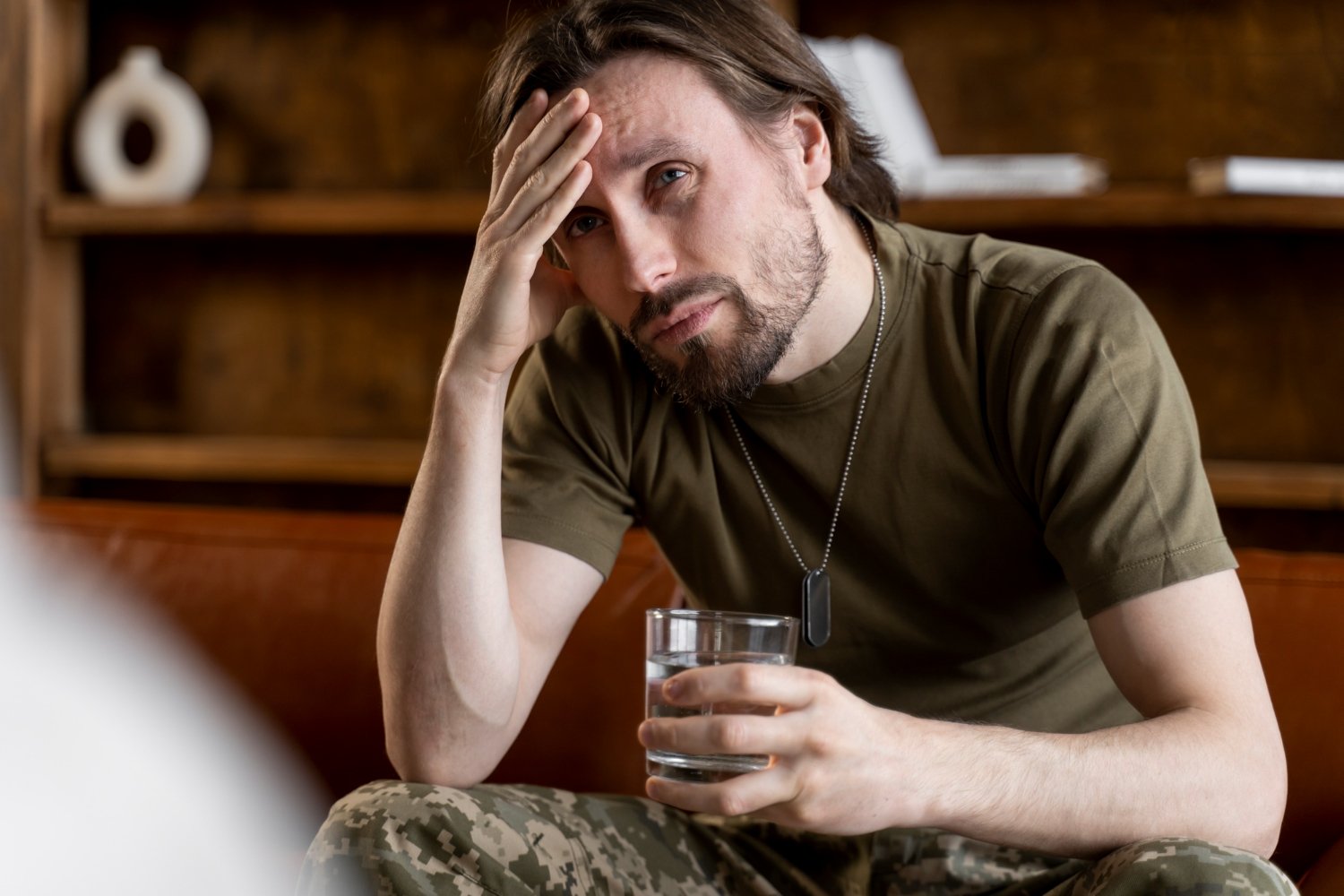
As Veterans Day approaches, many Americans take time to honor the courage, sacrifice, and dedication of those who have served in the military. While recognizing their accomplishments is important, it is equally important to acknowledge the challenges many veterans face both during and after their service.
For some veterans, the transition from military life to civilian life can be difficult. The physical, emotional, and psychological effects of service can linger long after deployment ends. As a result, many veterans struggle with substance use disorders, mental health conditions, or a combination of both.
Co-occurring substance use and mental health disorders continue to affect veterans across the United States. By understanding these challenges and learning how to provide meaningful support, families, friends, and communities can help veterans build healthier and more fulfilling lives after service.
Understanding the Connection Between Military Service and Substance Abuse
Military service often involves exposure to unique stressors that most civilians never experience. Service members may face life-threatening situations, extended separations from loved ones, demanding schedules, and emotionally challenging environments.
Some common experiences that can contribute to substance use among veterans include:
- Constant risk of injury or death
- Witnessing traumatic events
- Losing fellow service members during deployment
- Extended time away from family and friends
- High levels of physical and emotional stress
For some veterans, drugs or alcohol may become a way to cope with difficult memories, emotional pain, anxiety, depression, or symptoms related to trauma.
Alcohol remains one of the most commonly misused substances among military personnel and veterans. Studies have shown that binge drinking occurs at higher rates among certain military populations compared to the general public. While alcohol may initially appear to provide temporary relief from stress, continued misuse can lead to dependency, health problems, relationship difficulties, and worsening mental health symptoms.
Challenges Veterans Face After Military Service
The difficulties associated with military service do not always end when a veteran returns home. Many veterans face significant challenges as they adjust to civilian life.
Transitioning from a highly structured military environment to civilian society can be overwhelming. Veterans may struggle with finding employment, rebuilding relationships, adjusting to different social expectations, or simply feeling disconnected from people who have not shared similar experiences.
Common post-service challenges include:
- Reintegrating into civilian life
- Rebuilding family relationships
- Finding stable employment
- Adjusting to changes that occurred during deployment
- Managing physical injuries or chronic pain
- Coping with trauma-related symptoms
These stressors can increase the risk of substance use and make recovery more difficult without adequate support.
The Link Between Substance Use Disorders and Mental Health
Substance use disorders and mental health conditions frequently occur together among veterans. This combination is often referred to as a co-occurring disorder or dual diagnosis.
Research has consistently shown that veterans who struggle with substance use are more likely to experience conditions such as:
- Post-traumatic stress disorder (PTSD)
- Depression
- Anxiety disorders
- Sleep disturbances
- Chronic stress
- Suicidal thoughts
According to data from the National Institute on Drug Abuse (NIDA), approximately 11% of veterans have been diagnosed with a substance use disorder. Veterans with substance use disorders are also significantly more likely to experience PTSD or depression compared to veterans without substance-related issues.
Among veterans of the Iraq and Afghanistan conflicts, studies have found particularly high rates of co-occurring mental health and substance use disorders, highlighting the importance of integrated treatment approaches that address both conditions simultaneously.
Why Many Veterans Avoid Seeking Help
Despite the availability of treatment programs, many veterans hesitate to seek professional support.
One major barrier is stigma. Some veterans worry that admitting they need help may be viewed as a sign of weakness. Others fear judgment from peers, employers, family members, or society as a whole.
Veterans may also worry about:
- Damaging career opportunities
- Being misunderstood by others
- Losing relationships
- Being labeled because of addiction or mental health struggles
- Reliving traumatic experiences during treatment
As a result, many veterans attempt to manage symptoms on their own, which can delay treatment and increase the risk of worsening substance use and mental health concerns.
Creating a culture that encourages openness, compassion, and support can help reduce stigma and make it easier for veterans to seek the assistance they deserve.
Recognizing Signs of Substance Abuse in Veterans
Family members and friends are often the first to notice when a veteran may be struggling. While symptoms vary from person to person, several warning signs may indicate a substance use problem.
Changes in Appearance
A person experiencing substance abuse may show noticeable changes in their physical appearance. This can include poor hygiene, wearing the same clothing repeatedly, neglecting personal care, or appearing unusually fatigued.
Behavioral Changes
Behavioral signs may include forgetfulness, difficulty concentrating, mood swings, irritability, withdrawal from previously enjoyed activities, or appearing disconnected during conversations.
Some veterans may also seem emotionally numb, distracted, or frequently lost in thought.
Social Withdrawal
Veterans struggling with substance use often begin isolating themselves from family and friends. They may avoid social events, decline invitations, or become less engaged in conversations and relationships.
Recognizing these signs early can help loved ones provide support before the situation becomes more serious.
How to Support Veterans Struggling With Substance Abuse
Helping a veteran overcome substance abuse requires patience, understanding, and consistent support. Recovery is rarely a quick process, and meaningful progress often occurs gradually over time. One of the most effective ways to help is by creating a supportive environment that encourages connection rather than judgment.
Engage in Meaningful Conversations
Many veterans spend years operating in high-stress environments where communication is often focused on mission objectives and survival. Simple, friendly conversations can help veterans reconnect with everyday life and strengthen social bonds. Taking time to listen without judgment can have a powerful impact.
Offer Practical Support
Veterans may face challenges involving employment, finances, housing, or family relationships. Providing assistance or helping them access available resources can reduce stress and improve overall well-being.
Encourage Healthy Activities
Introducing recreational activities that do not involve alcohol or drugs can help veterans develop healthier coping strategies. Activities such as sports, hiking, fitness programs, hobbies, volunteering, and community involvement can provide structure, enjoyment, and a sense of purpose.
Encourage Professional Treatment
Professional addiction treatment can provide veterans with evidence-based therapies, coping skills, and recovery tools designed to support long-term healing. Treatment programs that address both substance use and mental health concerns are particularly beneficial for veterans experiencing co-occurring disorders.
Supporting Veterans’ Mental Health
Even veterans who are not currently struggling with substance use can benefit from strong emotional support. Military service can leave lasting emotional effects that may not become apparent until months or years after returning home. Supporting veterans’ mental health can reduce the risk of future substance use and improve overall quality of life.
Include Them in Social Activities
Many veterans miss important family milestones and social events while deployed. Inviting them to gatherings, celebrations, and community activities can help strengthen connections and reduce feelings of isolation.
Be Respectful About Their Experiences
While some veterans may openly discuss their military experiences, others may prefer not to revisit difficult memories. Allow veterans to decide what they feel comfortable sharing. Avoid pressuring them to discuss traumatic events or combat experiences.
Show Appreciation
Acknowledging a veteran’s service can help reinforce a sense of value and belonging. Expressing gratitude for their dedication and sacrifice can be meaningful when done respectfully.
Stay Connected
Regular communication can make a significant difference. A phone call, text message, or invitation to spend time together can remind veterans that they are supported and appreciated.
The Importance of Professional Treatment for Veterans
While support from family and friends is valuable, professional treatment often plays a critical role in recovery. Veterans facing substance use disorders and mental health challenges may benefit from comprehensive treatment programs that address the unique experiences associated with military service.
Treatment may include:
- Individual therapy
- Group counseling
- Trauma-informed care
- PTSD treatment
- Dual diagnosis treatment
- Relapse prevention planning
- Family support services
By addressing both addiction and mental health concerns simultaneously, veterans can build a stronger foundation for long-term recovery and wellness.
Alcohol and Drug Rehab for Veterans
Supporting veterans should not be limited to Veterans Day. True appreciation involves creating communities where veterans feel valued, understood, and supported throughout the year.
When we actively support veterans struggling with substance use and mental health disorders, we help create an environment where seeking help is encouraged rather than stigmatized. This support can make a meaningful difference in the lives of those who have sacrificed so much in service to our country.
At California Recovery Center, we proudly honor the service and sacrifice of our nation’s veterans. We understand the unique challenges that many veterans face after military service and offer specialized treatment programs designed to address both substance use disorders and co-occurring mental health conditions.
If you or a loved one is a veteran struggling with alcohol addiction, drug addiction, PTSD, depression, or other mental health concerns, California Recovery Center is here to help. Our compassionate team provides personalized treatment plans that support healing, recovery, and a successful transition into long-term sobriety.
No veteran should have to face addiction alone. Recovery is possible, and help is available.