
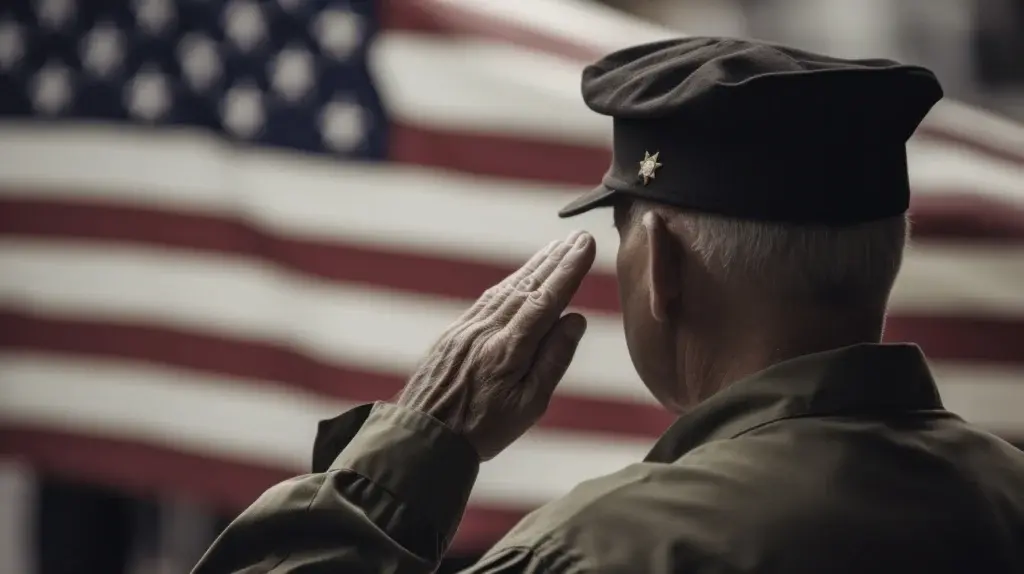
Defining ‘valor’ may be a challenging thing to do, even for veterans. Despite the word being typically used to address veterans and their acts of service, misunderstandings may still arise about what ‘valor’ truly means. As veterans transition to civilian life, they face a new set of challenges, such as trauma, PTSD, addiction, and mental health conditions that redefine ‘valor’ and strength outside their service.
In this blog post, we will discuss how admitting the need to seek help and embracing vulnerability are signs of true ‘valor’ and may be the first step toward recovery.
What ‘Valor’ Means During Service
For individuals in service, ‘valor’ usually means bravery in combat or threatening situations while remaining calm. However, during service, personal needs and challenges are often overlooked in favor of this goal. While this doesn’t mean that active service members don’t experience trauma, anxiety, depression, and other health conditions, it highlights the fact that they make a conscious effort to suppress or neglect these feelings—often taking a toll on their personal well-being.
Coping Mechanisms and Their Impact
One of the most common ways to ‘push down’ these challenges is the use of drugs or alcohol to “numb” sensations and “disarm” stressors. Moreover, an active drinking culture during service may normalize the use of addictive substances. For veterans transitioning into civilian life, these behaviors may continue, resulting in additional health challenges during the recovery process.
The Challenges of Transitioning to Civilian Life
The constant attempt to uphold ‘valor’ during and after service not only jeopardizes a veteran’s mental and emotional health but also leaves them without practiced strategies to effectively identify and manage these challenges as they transition to civilian life.
Adopting a new definition of ‘valor’ may be key to equipping veterans with healthier ways to face these challenges and navigate a successful healing process.
Finding a New Meaning of Valor: The First Step Toward Recovery
As veterans transition into civilian life, they must overcome personal challenges while also dealing with external stigma and expectations that can shape their perception of what ‘valor’ truly means.
The first step in redefining ‘valor’ is acknowledging these challenges. Admitting the need for help is, in itself, a sign of true ‘valor’ in this new chapter of life.
‘Valor’ in civilian life is no longer about suppressing weakness or vulnerability in times of danger. Instead, it becomes the ability to recognize personal needs, embrace vulnerability, and face challenges head-on.
By exploring this new definition, veterans can:
- Build resilience and recover from stress and obstacles
- Commit to self-care and personal growth
- Challenge stigma for themselves and the broader veteran community
The Power of Vulnerability in Recovery
Embracing vulnerability and seeking help can have a transformative impact on an individual’s healing journey. No veteran has to face this new understanding of ‘valor’ alone—there are communities and professionals ready to provide support every step of the way.
Taking the First Step Into Treatment
Exploring a new kind of ‘valor’ may feel unfamiliar or even uncomfortable, especially for veterans who take pride in the traditional definition shaped by active duty service. However, ‘valor’ can take many forms, depending on the context.
Admitting the need for help while transitioning to civilian life is a crucial first step toward effective healing and long-term recovery.
At California Recovery Center, we are prepared to help you navigate these changing definitions of ‘valor’ and develop a personalized path to healing. Our programs include specialized, evidence-based treatment for veterans, including detox, therapy, and ongoing support for those returning from service.
If you or a loved one is a veteran struggling to transition into civilian life, we welcome you with open arms and a recovery plan.
Learn more by reaching out to us at (866) 864-1986.